

No Results Found
The page you requested could not be found. Try refining your search, or use the navigation above to locate the post.

Author: Alison Price – Updated: January 2026
This article is part of my Relationships, Love and Romance series, where I explore compatability, the Part of Marriage, synastry, composite midpoints charts, Davison Relationship charts and wedding elections.
All charts will be interpreted for their basic signs and sign components or polarity, element.
However, when you look at two people’s relationship there are a few more details which can shed light on the connection they have with each other.
If you need to go back to basics you can check out these articles for more clarity before you move forward with your relationship analysis between two people.
Polarity in astrology describes how signs express and respond to energy. As you move through the zodiac the polarity alternates sign by sign beginning with Aries which carries the active polarity.
Traditionally the active polarity has been called masculine or positive while the passive polarity has been called feminine or negative. Modern astrology tends to move away from the language of positive and negative as it implies value judgements that are not accurate or helpful.
Polarity is not about better or worse. It is about direction and style.
In broad terms, active signs project energy outward. They initiate, act, decide and engage with the world directly. Passive signs receive energy inward. They respond, process, integrate and adapt to what is happening around them.
Active signs tend to eject energy into the world through action expression and movement. Passive signs absorb energy through reflection feeling and consolidation. Both sides are essential. One begins the process. The other sustains and gives it form.
In relationships polarity describes how two people exchange energy. Some pairings spark through contrast while others feel comfortable through similarity. Understanding polarity helps explain why certain connections feel immediately dynamic while others feel quietly supportive.
The six signs in the active polarity are Aries, Gemini, Leo, Libra, Sagittarius and Aquarius.
The six signs in the passive polarity are Taurus, Cancer, Virgo, Scorpio, Capricorn and Pisces.
Fire and air are known as the active elements. When these elements meet in synastry there is movement energy and momentum. Things tend to happen quickly.
Motivation is shared and neither person needs excessive explanation to feel understood. With this combination there is a sense of recognition and an ease around initiative and expression.
These combinations thrive on ideas enthusiasm and forward motion. The challenge is not in the starting but in sustaining focus and grounding what begins.
When two fire dominant people come together the connection is immediate and lively. Each recognizes familiar qualities in the other such as confidence passion and the desire to lead.
Both partners naturally promote themselves and encourage independence. This can be inspiring but it may also strain the partnership if neither wants to yield or slow down.
At best each pulls the other forward with courage and optimism. At worst it becomes a clash of wills or a competition for center stage.
This pairing needs shared goals and conscious cooperation to keep the fire warming rather than burning.
Fire and air usually get along with little effort. Air feeds fire with ideas and perspective while fire energizes air with purpose and action. Together they generate excitement, curiosity and forward thinking.
This combination enjoys planning, dreaming and initiating new projects. There is an innate enthusiasm supported by logic and vision. Conversations are lively and motivating and the relationship often feels stimulating rather than heavy.
The key with this combination is to follow through. Fire wants action and air can stay in the realm of ideas. When they work together intentionally this couple can be both inspired and effective.

Air with air creates a strong mental and social bond. Each person mirrors the other’s curiosity, intellect and need for communication. Ideas bounce easily between them and conversation flows without effort.
This is a meeting of minds where understanding each other comes through words, shared interests and mutual curiosity. The relationship often has a social tone and thrives on connection with others.
The challenge here is momentum. There can be plenty of discussion but less action. A little less conversation and a little more doing helps bring balance. When grounded this pairing excels at collaboration learning and shared vision.

Earth and water are known as the passive or receptive elements. In synastry these combinations emphasize feelings, stability, memory and response rather than speed or initiative. These relationships tend to grow quietly over time. They are shaped by care, habit and shared emotional or practical needs.
Earth gives form and structure. Water brings feeling and sensitivity. Together they can create something enduring.
When two earth dominant people come together there is an immediate sense of familiarity. Each recognizes the other’s values around reliability, practicality and common sense. Mutual respect grows from shared priorities and a solidly grounded approach to life.
This couple builds slowly and steadily. Over time they can create a solid dependable relationship that withstands pressure.
However, comfort can slide into complacency. There is a risk of taking each other for granted or staying together out of habit rather than conscious choice.
When challenged this pair is resilient. They will struggle for survival together and rarely abandon what they have built even long after it is over. Adding novelty and emotional expression keeps this bond alive.

Earth and water usually feel drawn to one another but their rhythms differ. This is a reactive rather than an initiating partnership. One responds to circumstances while the other seeks security.
Physical and sensual contact is especially important here. Touch, routine and shared space ground this relationship. Water may feel that earth is too blunt or emotionally rough at times. Earth may feel that water is overly sensitive, moody or easily overwhelmed.
Motivation can lag unless there is a shared goal. When balance is eventually found earth provides containment while water softens and nourishes. Together they can create a deeply supportive bond.

Two water dominant people form an intuitive emotionally attuned couple. They often react instinctively in the same way and can easily understand each other without many words. Memory, feeling and shared history play a strong role.
This pair may cling to the past and spend a great deal of time reminiscing. Emotional cycles can become highly intense. Moody phases, anxieties or phobias may echo between them and mutual resentment can quietly build up if their feelings are not expressed clearly.
At the same time this combination can be highly creative. When focused it supports effective action especially in artistic or caring pursuits. Emotions can run hot which means sparks can fly and flares can occur.
Water with water often needs the influence of a contrasting element to prevent emotional burnout. Fire, air or earth influences in the charts may help bring some balance, direction and perspective.

Some elemental pairings do not flow naturally. This does not mean they are doomed. It means the two people experience life through very different filters.
These combinations need extra awareness, patience and effort from both sides. When handled well these couples can be deeply strengthening to each other because each partner develops qualities which they do not naturally lead with.
Fire and earth tend to form a bond that must be consciously blended. This is the meeting of spirit and matter or inspiration and practicality.
Earth can curb fire’s enthusiasm by insisting on realism, structure and results. Fire may feel engulfed, stifled or slowed down. From fire’s point of view earth lacks imagination and takes the joy out of things. From earth’s perspective fire is impulsive, unreliable or impractical.
Yet this pairing has real potential. Fire brings ardor courage and vision. Earth brings loyalty endurance and has follow through. When imagination and common sense are respected rather than being dismissed, this combination can build something lasting.

Fire and water often struggle with emotional temperature. Water can dampen fire’s enthusiasm while fire can overwhelm or scald water’s sensitivity.
Fire may feel frustrated by what it experiences as emotional complexity, hesitation or moodiness. Water might feel unsafe, rushed or emotionally exposed in the presence of fire’s directness and intensity.
This pairing needs gentleness and emotional intelligence. Supportive placements such as Jupiter in Pisces can help soften reactions and bring compassion understanding and forgiveness into the bond.

Air and earth combine theory and practice. On paper this sounds useful and yet in daily life it perhaps can feel dry or strained.
Air becomes frustrated with earth’s slow cautious approach. Earth is skeptical of air’s unconventional ideas and dislikes plans that lack tangible outcomes. Earth often wants physical presence and consistency while air prefers space, movement and detachment.
Earth may feel that air’s private thoughts or fantasies are a form of a betrayal. Air may feel constrained or judged. Despite all this, this pairing can work very well in practical or business settings where each supply what the other lacks.
Placements such as Mercury in Virgo or Saturn in Libra help by adding clarity fairness and structured communication.

Air and water struggle to reconcile intellect and emotion. Air aims to be impartial, reflective and future oriented. Water is emotionally anchored, intuitive and memory based.
Water often feels that air is insensitive or dismissive. Air may feel burdened by what it sees as excessive emotionality. Air lives in the future, while water lives in the past, which can create misunderstanding and hurt.
Air can unintentionally make water cry simply by analyzing what water feels. This pairing benefits greatly from strong inter chart connections between Mercury and the Moon which help thoughts and feelings translate more gently.

Active polarity relationships show that chemistry is not just emotional. It can also be mental, energetic and driven by shared motion through life.
Passive polarity combinations show that interpersonal connections do not always rush forward. Sometimes they deepen, settle and shape themselves slowly through shared experience and feeling.
Awkward elemental combinations are not failures. They are invitations. When both people are willing to learn each other’s language these relationships can become surprisingly rich resilient and meaningful.
Here are some more articles about love, romance and relationships.

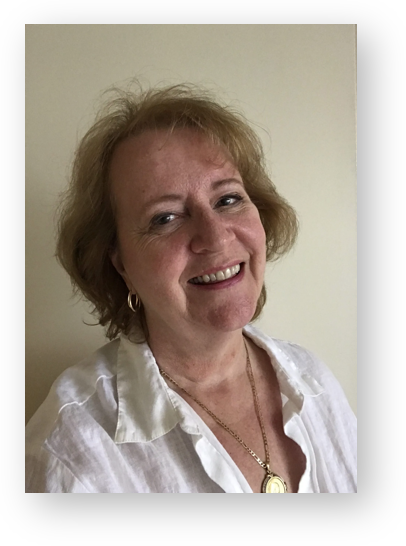
Alison helps you uncover your individual creativity and lead a fulfilling life using your own astrology. She shares her wisdom from the heart with a touch of humor. She offers Consultations for everyone and Coaching for Aspiring Astrologers.
If you’d like to get in touch with Alison, you can reach out to her via email at starzology@gmail.com.
If you enjoyed this post, you may like some more astrology related articles from our blog.
The page you requested could not be found. Try refining your search, or use the navigation above to locate the post.

Author: Alison Price - Published: July 2025 Your Money Planets Introduction There is not one method for financial freedom that works for everyone. Some people benefit from going cold turkey and cutting up their credit cards but that only works for a few. Others...

In astrology, URANUS moves into GEMINI in 2025, kicking off a seven-year cycle focused on innovation, fresh ideas, and bold new ways of thinking.

In astrology, PLUTO and his aspects can indicate where serious transformations will occur in your life.Make sure to explore this planet.


Author: Alison Price – Updated: January 2026
This article is part of my Relationships, Love and Romance series, where I explore compatability, the Part of Marriage, synastry, composite midpoints charts, Davison Relationship charts and wedding elections.
Fixed stars belong to the wider realm of astrology. Many of the well-known stars, such as Sirius, are most often used in natal work where they speak about character, direction and life themes.
Synastry is different.
When we study relationship charts, most fixed stars quietly fall away. Chemistry, attraction and personality still matter, but timing and emotional readiness matter more. In synastry there is one fixed star that consistently deserves attention, and that star is Vindemiatrix.

Typically, back-in-the-day a woman may collect many husbands as they drop dead working 18 hours a day on the farm fields or from fighting in the battlefield. After her husband died she became a widow.
This is how Vindemiatrix earned its dramatic nickname, the Widow Maker. Not because it destroys love, and not because it predicts death or loss (although it often does), but because it reveals where relationships are perhaps entered into too early, too quickly or under pressure rather than clarity.
Vindemiatrix does not describe attraction. It describes consequence.
When this star is activated between two charts, the real question is rarely “Do they love each other?” and more often “Are they ready for what this connection asks of them?”
Vindemiatrix (Epsilon Virginis as designated by Johann Bayer) originated in the constellation of Virgo but it now sits in the zodiac sign of Libra. That shift tells an important story.
Virgo seeks discernment, judgement and knowing when something is truly right.
Libra seeks partnership, balance and togetherness. Vindemiatrix exists at the crossroads between knowing better and wanting companionship anyway.
This star reflects the human moment where we choose connection before wisdom has fully caught up.
Not foolishly, but humanly.

In synastry, Vindemiatrix does not speak about romance or chemistry. It speaks about timing.
Relationships under this star often teach through endings, delays or emotional wake up calls. Bonds may be sincere and meaningful and yet still come to a close before their natural old age.
Each relationship leaves something behind, experience, maturity and clearer understanding.
Vindemiatrix strips away fantasy and asks for honesty. It suggests that timing is a form of wisdom, and that not every meaningful relationship is meant to last forever.
Fixed stars are not truly fixed, but they move incredibly slowly. Vindemiatrix moves just 0°00’01” during five years.
Vindemiatrix shifts only a fraction of a degree over many years, which makes it reliable in chart work.
Vindemiatrix is currently found at approximately 10° Libra in the tropical zodiac. Because its movement is so slow, this degree remains relevant across many charts and many years.
For synastry work, zodiacal longitude is what matters. Astronomical coordinates are interesting, but not necessary for interpretation.
Vindemiatrix comes from Latin and means the grape gatherer or the vintner. In ancient sky stories it was associated with harvest, the moment when fruit is gathered because it is ready, not because it is perfect.
Harvest is practical. It requires judgement and timing. Once something is gathered, the cycle moves toward change rather than growth. This quiet truth sits at the heart of Vindemiatrix.
Astrologically, Vindemiatrix appears in charts where accumulation is a theme. You gather experiences, roles or relationships rather than remaining in one form forever.
In relationship astrology this symbolism becomes literal. When Vindemiatrix is placed in or strongly connected to the 7th house, it often points to gathering partners or spouses over time.
This does not suggest frivolity or lack of feeling. It suggests that partnership itself is learned through more than one chapter.
Vindemiatrix teaches that love is not only about staying. Sometimes it is about learning, releasing and becoming wiser before the next harvest begins.
When working with fixed stars, precision matters.
I suggest using a tight 1° orb because with Vindemiatrix, less is more.
I also suggest that you focus primarily on conjunctions. This is where the star speaks most clearly and consistently, especially in synastry.
Use a tight 1° orb.
Vindemiatrix does not deny gifts or success. It teaches through timing, consequence and lived experience.
When a planet is conjoined this star, that planet learns maturity through repetition, endings or delayed fulfillment. The lesson is not punishment. It is wisdom earned the long way.
If your birthday is on the 3rd, 4th or 5th of October, in any year, then you have Vindemiatrix conjoined your natal Sun.
Identity is shaped through relationship experiences that arrive early or before full self-knowledge has settled. The person may define themselves through partnership for a time, then gradually reclaim authority over their own life direction. Confidence strengthens after important relational chapters close.
If the Moon is conjoined Vindemiatrix they your emotional security is learned through attachment and separation. The person bonds deeply and sincerely, yet emotional needs often mature through loss, change or emotional wake up calls. Over time they become emotionally self-aware and deeply empathetic.
The mind learns through lived consequences when Mercury conjoins Vindemiatrix. Words, agreements and decisions may carry weighty outcomes in relationships. This placement produces thoughtful communicators later in life, especially once they learn to pause before committing or promising.
If Venus is conjoined Vindemiatrix the love is a classroom. Relationships form easily but lasting satisfaction comes later, after experience has refined values and boundaries. Early partnerships may end despite affection. Later ones tend to be wiser and more intentional.
Desire and action are shaped by relational timing when Mars conjoins Vindemiatrix. The person may act too quickly in partnership or pursue connections before clarity is present. With maturity, this becomes strong discernment about when to act and when to wait.
Growth comes through repeated relationship experiences rather than one defining bond if Jupiter is conjoined Vindemiatrix. Optimism may lead to over commitment early on. Wisdom develops through contrast, teaching discernment and realistic expectations in partnerships.
If you were born in September 1922, October 1922, or November 1951, April 1952, October 2010, or May 2011, June 2011 or July of 2011 you will likely have Saturn conjoined Vindemiatrix. You need to check this in your birth chart.
Saturn conjoined Vindemiatrix is one of the more serious expressions of this star. Relationships carry responsibility, weight and karmic tone. Commitment may be delayed or tested. Over time this placement produces deep relational wisdom and strong boundaries.
If you were born in October or November 1970 or in April, May, June, July or August 1971 you are likely to have Uranus conjoined Vindemiatrix in your birth chart. Check it out.
Relationships bring sudden awakenings if Uranus conjoins Vindemiatrix. Bonds may begin unexpectedly and end abruptly, each one breaking illusions and forcing growth. The lesson is freedom through honesty rather than attachment through fear.
If your birthday is between October 1946 to April 1947, or, August, September, October or November 1947 you probably have Neptune conjoined Vindemiatrix. You need to check it in your natal chart.
Sadly, this links into the rise of divorces for this generation perhaps urged by the close Vindemiatrix position to Neptune where dissolution is a keyword.
Idealism meets reality through experience when Neptune conjoins Vindemiatrix. The person may project dreams onto partners, then awaken through disillusionment. With time this placement produces compassion, clarity and spiritual maturity in love.
If you were born in the period between (and including) October 1975 and October 1976, or, May, June, July or August 1977, you probably have Pluto conjoined Vindemiatrix. You need to check this in your birth chart.
Relationships are transformative and rarely light. Power dynamics, emotional intensity and profound endings shape the soul. This placement carries deep regenerative potential once control is released and truth is embraced.
If you were born during December 1995, April 1996, May 1996 or August 1996 you are likely to have Chiron conjoined Vindemiatrix. You need to check for this aspect in your birth chart.
Wounding and healing occur through partnership if Chiron is conjoined Vindemiatrix. Early relationships may reopen old pain, yet this placement often produces powerful relational healers later in life. Wisdom comes from lived understanding, not theory.
If the North Node is conjoined Vindemiatrix, then growth requires learning discernment in partnership. The soul evolves by understanding timing, readiness and emotional maturity. Relationships are pivotal teachers rather than destinations.
If the South Node is conjoined Vindemiatrix, your past life or early life familiarity with partnership patterns. The person may default to relationship roles easily. Growth comes from choosing consciously rather than repeating what feels comfortable.
Vindemiatrix does not remove love. It refines it. It does not deny happiness. It delays certainty until wisdom is ready to meet it.
In your astrology journal, take a quiet moment with the following:
Here are some more articles about love, romance and relationships.

Pin this to read later
Alison helps you uncover your individual creativity and lead a fulfilling life using your own astrology. She shares her wisdom from the heart with a touch of humor. She offers Consultations for everyone and Coaching for Aspiring Astrologers.
If you’d like to get in touch with Alison, you can reach out to her via email at starzology@gmail.com.
If you enjoyed this post, you may like some more astrology related articles from our blog.

Author: Alison Price - Updated: January 2026 💚 Relationships, Love and Romance Astrology This article is part of my Relationships, Love and Romance series, where I explore compatability, the Part of Marriage, synastry, composite midpoints charts, Davison...

Author: Alison Price - Updated: January 2026 💚 Relationships, Love and Romance Astrology This article is part of my Relationships, Love and Romance series, where I explore compatability, the Part of Marriage, synastry, composite midpoints charts, Davison...

Chart shapes can describe how planetary energy is distributed. In synastry this spread of planetary energy shows how easily two people blend their rhythms or where they may feel out of step.
Author: Alison Price - Published: July 2025 Your Money Planets Introduction There is not one method for financial freedom that works for everyone. Some people benefit from going cold turkey and cutting up their credit cards but that only works for a few. Others...
In astrology, URANUS moves into GEMINI in 2025, kicking off a seven-year cycle focused on innovation, fresh ideas, and bold new ways of thinking.
In astrology, PLUTO and his aspects can indicate where serious transformations will occur in your life.Make sure to explore this planet.

Author: Alison Price – Updated: January 2026
This article is part of my Basic Natal Astrology category and brings all the beginner components of interpreting a natal chart together. This includes signs, planets, houses, aspects and more. Alison
Astrology is often misunderstood. For some, it’s a daily horoscope or a personality label based on a Sun sign. For others, it feels confusing, contradictory, or overly technical.
In reality, astrology is neither random nor simplistic, but rather it is a symbolic system that helps us understand patterns of time, experience and meaning.
This article explains how astrology actually works.
You’ll learn the core structure of astrology, how birth charts are interpreted, how timing plays a role in life events and how astrology sheds light on relationships and purpose.
If you’re new to astrology or ready to move beyond the basics, this article is designed to give you some clarity and context. – Alison
Astrology is a symbolic language.
It maps cycles of time using planetary movements and relates them to human experience.
Rather than predicting fixed outcomes, astrology describes conditions, tendencies, trends and themes.
What astrology is:
What astrology is not:
Serious astrology focuses on charts, not labels.
A birth, or natal, chart is a snapshot of the sky at a specific moment, usually the moment of birth.
From this diagram, experienced astrologers can interpret how different areas of your life are likely to be emphasized and how cosmic energy cycles will unfold over time for you.
If you are just beginning, my Beginners’ Astrology guide offers a simple entry point without overwhelm.
All astrological interpretation is built on four core components known as the cornerstones of chart reading.
When you can get an appreciation and understand these factors, it removes much of the confusion which surrounds astrology chart reading.
Let’s take a closer look at the four cornerstones of astrology.
Signs are archetypal styles of expression. They describe how planetary energy manifests, not rigid personality traits.
They are like the role being played out by the planets. Two people with the same Sun sign may express that energy very differently as it depends on the rest of their chart.
The planets represent functions of consciousness and areas of experience.
In general, the planets describe what kind of energy is active.
The twelve houses represent areas of lived experience like career, relationships, finances, home and inner life. Houses answer the question of where something will show up in real life. In practical astrology, houses often matter more than signs.
The aspects describe the relationships between planets. And whether or not the planets are in cahoots with each other. Some aspects indicate ease and flow, whilst others show tension and challenge. Neither is inherently good or bad as growth often comes through dynamic, challenging aspects.
A birth chart is unique to the you. If someone has the same birthday as you their chart will be similar. Only if they were born as]t the same hospital at the saem moment as wyou will your charts be close.
Even twins have different birth charts because one was born first and then perhaps the second twin was born ten minutes later.
Your birth chart is calculated using three specific data points:
Together, these three key bits of information determine the exact positions of the planets, angles and houses for your birth chart.
Note: A natal chart should always be read as a whole, not as isolated placements.
Most astrologers begin with three core components or as I like to call them, the astrological Holy Trinity of birth charts.
Your Ascendant shows how you approach life, your looks, personality and how others first perceive you.
Your Sun sign indicates your identity, ego, purpose and conscious direction.
Your Moon placement by sign suggests your emotional needs, instincts, habits and inner life.
Triumvirate
These mighty three parts (the Ascendant, the Sun and the Moon) for the foundation of personal astrology and offer far more insight into your core being than Sun signs alone can.

One of astrology’s greatest strengths is timing and forecasting. The birth chart describes your potential and the timing techniques show when different themes are activated.
Transits track current planetary movements, up there right now, in relation to your birth chart.
Transits reveal periods of growth, pressure, opportunity or reflection.
Solar arc directions are a more advanced forecasting technique which relies on indirect projection of your birth chart into the future.
For example:
Astrology forecasting doesn’t say what must happen, but rather it describes the type of season you are currently in.
Astrology has long been used to understand job, career, vocation and life direction. Career astrology focuses on how you contribute, build stability and find meaning through work. Key indicators for these topics include:
The 2nd house explores your income, values, self-worth and resources.
The 6th house addresses your daily work, day-to-day activities and service.
The 10th house and Midheaven refers to your career, reputation and public life.
Your vocation is frequently shown by the morning planet and is complex.
When combined with timing techniques, astrology becomes a strategic tool for career planning, business launches and long-term professional development.
Relationships are one of the most searched topics in astrology and one of the most misunderstood. Zodiac compatibility alone cannot explain why some connections feel effortless while others are transformative or challenging. Relationship astrology looks at emotional needs, attraction, communication styles and long-term bonding patterns.
Astrology can reveal:
Synastry compares two birth charts to see how energies interact.
It highlights attraction, emotional resonance, growth areas, and long-term potential.
Here are some more articles about love, romance and relationships.
Astrology works best when used with intention and discernment. It is not meant to replace decision-making, logic, or lived experience.
Healthy astrology:
Ethical astrology avoids fear-based predictions and focuses instead on empowerment, timing and understanding.
Astrology is a lifelong study. You don’t need to master everything at once. If you can find out which level of astrologer, you are now.
Here are some of my ideas on the paths you could take depending where you are at the moment in your astrology knowledge.
Focus on signs, planets, houses, aspects and the Big Three.
Explore the 10th house, Saturn and the Midheaven.
Study synastry and emotional indicators.
Observation, journaling and real-world application will deepen your understanding far more than memorization.
Astrology is not about certainty, but rather it is about context. It helps explain why certain periods in life feel expansive, demanding, introspective or transformative.
Over time, patterns will emerge as clarity grows. You don’t need to believe blindly or know everything to begin your astrology journey.
Astrology meets you where you are and deepens as you do.
Explore further through Starzology’s guides and freebies and let astrology become a language you learn to speak fluently in just one season at a time.
Make sure to get my weekly Starzlife newsletter so you don’t miss a thing.
Alison helps you uncover your individual creativity and lead a fulfilling life using your own astrology. She shares her wisdom from the heart with a touch of humor. She offers Consultations for everyone and Coaching for Aspiring Astrologers.
If you’d like to get in touch with Alison, you can reach out to her via email at starzology@gmail.com.
If you enjoyed this post, you may like some more astrology related articles from our blog.

This article explains one way to assess the influence which Saturn has in a chart, and therefore how strong or weak it is, through the calculation of essential dignity.

This article gently explores the relationship between Mercury and Venus in your chart. These two planets can reflect how you process both words and images, linking thought with impressions. Together, they offer insight into how different ways of knowing come together within you, blending logic and perception into your everyday experience.

In astrology, the quincunx aspect is 150 degrees with an orb of 2 degrees. It is the aspect of adjustment, awkwardness and mild irritation. Signs quincunx each other are five signs apart.

Author: Alison Price - Updated: March 2026 🧡 Advanced Natal Astrology This article is part of my Advanced Natal Astrology series, where I explore deeper chart analysis for practicing and aspiring astrologers. The Astrology of Addiction Introduction...

Birth charts of famous musicians, Mozart, Lennon and Swift and a personal music teacher Jim and the importance of Mercury, Venus and Neptune.

Author: Alison Price - Published: October 2025 On your Marks, Get set, Go! Have you ever wondered why some people seem to process life in such a distinct way through thinking, feeling and expressing themselves almost in a rhythm of their own? The rising order of...

Author: Alison Price – Updated: January 2026
This article is part of my Basic Natal Astrology category and brings all the beginner components of interpreting a natal chart together. This includes signs, planets, houses, aspects and more. Alison
The three outer planets are Uranus, Neptune and Pluto.
They are also known as the transpersonal planets.
In astrology, the outer planets don’t concern themselves with your daily to-do list or whether Mercury is ruining your email again.
Uranus, Neptune and Pluto work on a much grander scale.
They move slowly, think collectively and have absolutely no interest in your comfort zone.
These are the planets that awaken, dissolve and transform your life from the ground up.
When they are strong in a chart or transit, life doesn’t just change, it upgrades, unravels or completely reinvents itself.
Subtle they are not.

Uranus is the planet which flips your life over and calls it progress. It governs revolution, rebellion and the sudden realization that “this just isn’t working anymore.”
Uranus is associated with:
Where Uranus is placed in your chart, that is where you refuse to follow the script. This is the part of you which craves freedom, originality and the right to do things in your own unique way.
Uranus transits often coincide with unexpected events, breakthroughs, breakouts and breakdowns and the irresistible urge to quit, move, invent or radically redefine yourself somehow.
Collectively, Uranus rules social revolutions and technological leaps forward. It reminds humanity that evolution doesn’t happen by playing it safe.

Uranus changes, breaks and fashions. Uranus represents adolescents, trendsetters, agitators, and immigrants. Uranus rules Aquarius.

Neptune is less interested in facts and more interested in feelings, dreams and everything that can’t be measured with a ruler. It dissolves boundaries and blurs lines in your life and especially the ones you thought were solid.
Neptune governs:
In a natal chart, Neptune reveals where we yearn for something more. Its transits can feel magical, confusing or both at once. Neptune urges us to trust our intuition but also warns us not to believe every fantasy story we tell ourselves about who we are.
Generationally, Neptune shapes cultural dreams and disillusionments. It shows what society idolizes, escapes into or eventually wakes up from.

Neptune understands, dissolves and eludes. The people that Neptune represents are dreamers, ghosts, angels and nomads. Neptune rules Pisces.

Pluto doesn’t knock. It arrives with a flashlight and insists we look at everything we’ve buried. This is the planet that bring deep transformation, power struggles and irreversible change into your life.
Pluto governs:
Pluto transits are not gentle, but they are honest.
They expose what is corrupt, stagnant or no longer sustainable and then they dismantle or purge it.
Whatever, or whomever, survives a Pluto transit experience is stronger, truer and permanently altered.
On a generational level, Pluto marks profound shifts in power structures, economics and social taboos. In personal astrology, Pluto shows where we confront our deepest fears and discover our hidden strength.

Pluto transforms, buries and rebirths. The people that Pluto represents are crisis workers, the taxman, demons, coercers and the Grim Reaper. Pluto rules the fixed water sign of Scorpio the Scorpion.
⠀

Together, the outer planets operate far beyond personal preference. They are less concerned with happiness and more invested in evolution and the survival of the fittest. Their movements describe the long, messy, fascinating process of becoming both individually and collectively.
The outer planets show us that astrology isn’t just about understanding yourself. Rather it’s about understanding why the universe occasionally pulls the rug out from under you and calls it growth.
Here are a few more articles about the outer planets.
Discover more about the other planets.


Alison helps you uncover your individual creativity and lead a fulfilling life using your own astrology. She shares her wisdom from the heart with a touch of humor. She offers Consultations for everyone and Coaching for Aspiring Astrologers.
If you’d like to get in touch with Alison, you can reach out to her via email at starzology@gmail.com.
If you enjoyed this post, you may like some more astrology related articles from our blog.

In astrology, the 1st HOUSE suggests is all about you as an individual it’s like your personal brand in astrology.

In astrology, the 7th HOUSE suggests your partnerships, marriages, contracts and public relations. It also covers open enemies and the general public.

In astrology, the 4TH HOUSE suggests your family, home, ancestors, foundations and roots. The sign on the cusp will influence this.
Author: Alison Price - Published: July 2025 Your Money Planets Introduction There is not one method for financial freedom that works for everyone. Some people benefit from going cold turkey and cutting up their credit cards but that only works for a few. Others...
In astrology, URANUS moves into GEMINI in 2025, kicking off a seven-year cycle focused on innovation, fresh ideas, and bold new ways of thinking.
In astrology, PLUTO and his aspects can indicate where serious transformations will occur in your life.Make sure to explore this planet.

Author: Alison Price – Updated: January 2026
Samhain and Halloween are both significant celebrations, yet they hold distinct origins and meanings.
Samhain is a traditional Celtic festival that marks the end of the harvest season and the beginning of winter.
It falls on October 31st and is considered a time when the veil between the physical world and the spirit world is thin, allowing for easier communication with ancestors and spirits.
This festival is deeply rooted in nature and the cycles of the seasons. People would light bonfires and make offerings to honor their departed loved ones. The focus is on reflection, introspection, and acknowledging the cycle of life and death.

Halloween, on the other hand, is a more modern holiday that evolved from various traditions, including Samhain. It is celebrated on the same date, October 31st.
Halloween has become a more commercial and secular holiday, often associated with costumes, trick-or-treating, and spooky decorations.
While it still retains some elements of its spiritual origins, Halloween has also incorporated aspects of entertainment and playful fear.
One of the key differences between Samhain and Halloween is their origin and cultural context.
Samhain has ancient Celtic and pagan roots, tied closely to nature and the changing seasons. It emphasizes a connection to the spiritual realm and the cycle of life.
On the other hand, Halloween has emerged from a mixture of cultural influences, including Christian practices, Celtic traditions, and commercial interests. It tends to focus more on fun, fantasy, and community activities.
Another difference lies in the intention behind the celebrations.
Samhain is a solemn and sacred time for reflecting on mortality, honoring ancestors, and seeking guidance from the spirit world. It’s a time of reverence and contemplation.
Halloween, while still acknowledging themes of death and the supernatural, often emphasizes entertainment and celebration. People dress up in costumes, attend parties, and enjoy treats, embracing a lighter and more festive atmosphere.
In essence, while both Samhain and Halloween occur on the same date and share some common themes, they have diverged in their meanings and practices.
Samhain holds a spiritual and nature-centered significance, emphasizing the connection between the living and the spirit world.
Halloween, on the other hand, has taken on a more diverse and lighthearted character, blending cultural elements and fostering a sense of community celebration.
Whether you resonate more with the profound reflections of Samhain or the playful spirit of Halloween, both celebrations offer opportunities to connect with traditions, nature, and the mysteries that surround us in their own unique ways.

Enjoy a Wheel of the Year sticker featuring my original artwork. Each art piece is created by me and printed on everyday items you can actually use and enjoy. It is a simple way to bring a little Wheel of the Year energy and handmade art into your daily life. Alison

Alison helps you uncover your individual creativity and lead a fulfilling life using your own astrology. She shares her wisdom from the heart with a touch of humor. She offers Consultations for everyone and Coaching for Aspiring Astrologers.
If you’d like to get in touch with Alison, you can reach out to her via email at starzology@gmail.com.
If you enjoyed this post, you may like some more astrology related articles from our blog.

Gain insights on the symbolism of the Solar cycles, and focus on the solstices. Let’s explore the significance behind these celestial events and delve into the meaning they hold.

See how I created my Astro Journal to help align myself with the seasons and see a flip through of my month.

Create your own astrology education with a personal curriculum that follows your curiosity, builds on your experience and gives you freedom to learn your way.

We’ve talked about Mars and Venus aspects before. This time, we’re talking about Mercury, which is the messenger of the gods and the planet that rules speech, thought and communication in all its forms.
Listen >>> Mercury Square Neptune Podcast
Here are some keywords for Mercury in Sagittarius from Steven Arroyo’s Chart Interpretation Handbook…
These people communicate openly, truthfully, optimistically, enthusiastically and tolerantly. They have restless aspirations that propel them towards an ideal, and their thinking and reasoning are guided by long-term goals rather than mundane details. They have an interest in teaching, and learning and teaching are very closely related for them. They’re lifelong students and natural teachers. They strive to establish connections with others by being direct, truthful and broad-minded, but coherent thinking can sometimes be blurred by overgeneralizations that are motivated by their idealistic aspirations.
Read more >>> Mercury
Read more >>> Sagittarius
Because Neptune is a giant and very influential planet, it tends to make connections with the inner planets very sort of fuzzy and dreamlike and lends an air of unreality to them. We talked about what happens when Neptune meets Venus in a recent episode and that was all about glamour and delusion and the soft Vaseline over the camera lens effect.
Read more >>> Neptune
Read more >>> Pisces
When Neptune comes into contact with Mercury, it’s going to give that fuzzy sort of delusion/ illusion effect to our communications, which are ruled by mercury.
This is especially true of Neptune in Pisces because Pisces is the most neptunian of all the signs. Ideal for science fiction, spirituality, visionary art, mystical thinking, wild hallucinogenic visions that take you on a journey of mind expansion. Not so great for contract negotiations, getting to the point, or understanding situations clearly.
Mercury transiting square Neptune can distort your thinking, confusing and complicating discussions and business dealings. Also, in early January 2024, Mercury will still be retrograde when this aspect occurs so that could add to the potential for confusion, deception and misunderstandings that clear communication won’t get you out of.
You should always avoid being dishonest, but at this time you may be more susceptible than ever to nonlinear thinking, for both good and bad, including bizarre conspiracy theories and strange beliefs. So it’s a good time to avoid people who could try to trick you into something around this time.
When this aspect occurs in someone’s chart it can be a signature for amazing creativity especially in music, poetry and fiction writing or creative nonfiction, which will see in our celebrity examples a bit later. This is the aspect of the “master of illusions.”
Neptune squares also bring out the negative side which can be seen in substance abuse, alcohol and fraud, scandals and creative relationships to the truth. It’s also the aspect of the “master manipulator.”
People with this aspect should try to keep their interactions with people as honest as possible and their communications as direct as possible because you may have trouble even when you think you’re being clear with others. They may not understand you and being misunderstood can lead to deep insecurities and emotional pain. These people can be extremely sensitive to rejection and criticism.
Full disclosure I actually have this aspect in my chart and I like to think it gives me some creativity in art and with words. But I also hate being misunderstood, more than almost anything.
Donald Trump, Mel Gibson, and Amber Heard all have this aspect, as well as Amy Winehouse, David Bowie, Bob Dylan, Jim Morrison, Miles Davis, Shania Twain, Erykah Badu, Sheryl Crow, and Jim Carrey.
Probably my favorite example is the visionary director Christopher Nolan, who is known for his mind-bending, metaphysical style in science fiction films like Memento, Inception, Interstellar, Tenet, and the Oscar-winning Dunkirk.
Pin this to read later

Arwynne O’Neill works as a research astrologer in Vancouver, with a focus on delving into historical cycles and how they relate to societal transformations as influenced by the energies of the outer planets.
Arwynne’s artworks
Arwynne’s Instagram @mspinkdotcom
If you enjoyed this post, you may like some more astrology related articles from our blog.
In astrology, relationships can be assessed through the strength of the active and passive signs and how they combine.

Learn about the recent STARZLIFE astrology newsletter renaming. Find the difference between free and paid astrology newsletters.

Learn more about how Mars works in your birth chart and what its aspects can reveal about you. Basic natal astrology.